
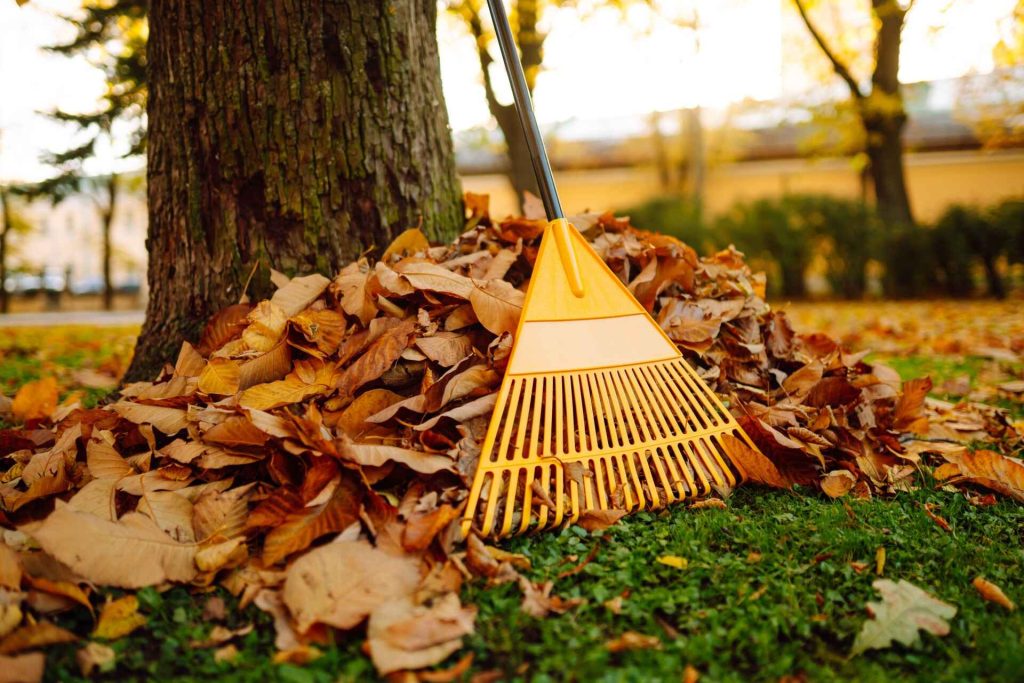
Autumn can be one of the most revealing seasons for a garden.
After months of relatively dry weather, heavier rainfall can quickly expose poor drainage, compacted soil, tired lawns and hard landscaping that no longer directs water where it should.
A small puddle after a particularly heavy shower is not necessarily cause for concern. But if parts of your garden remain saturated for days, water regularly pools around patios or paths, or the lawn becomes almost impossible to walk across without sinking, there may be a wider landscaping issue.
Taking action in autumn can help prevent waterlogged garden problems from becoming worse over winter.
Here are seven landscaping checks worth making before prolonged wet weather arrives.
1. See Where Water Collects After Heavy Rain
The easiest place to start is to look at your garden after a good downpour.
Where does the water go?
Look for:
• Puddles that remain for long periods
• Water collecting around patios
• Saturated patches of lawn
• Water gathering close to the house
• Overflowing planting beds
• Paths that remain underwater
• Areas where surface water has nowhere obvious to drain
The location of standing water can tell you a lot about the underlying problem.
Poor soil drainage may be responsible in one area, while incorrect levels or hard landscaping could be directing water into another.
Accept repeated standing water as an unavoidable part of autumn.
Professional landscaping can often improve how water moves through and away from a garden.
2. Check Patios and Paths Are Draining Properly
A well-designed patio should not turn into a shallow pond every time it rains.
Hard landscaping needs appropriate falls and drainage so water can move away instead of sitting on the surface.
If puddles regularly form across a patio or pathway, possible causes can include:
• Incorrect levels
• Poor drainage
• Settlement over time
• Blocked channels
• Damaged paving
• Water being directed towards the wrong area
Persistent water can also encourage staining, algae and moss, making surfaces look tired and potentially more slippery during winter.
This is why drainage should be considered as part of the design of patios, pathways and other hard landscaping, rather than as an afterthought.
3. Look at the Condition of Your Soil
Not all garden drainage problems come from paving.
The soil itself may be contributing.
Heavy or compacted ground can struggle to absorb water quickly enough during sustained rainfall. Instead of filtering through the soil, water remains close to the surface.
You may notice:
• Persistent boggy areas
• Standing water
• Plants struggling in certain beds
• Very compacted soil
• Lawn areas becoming muddy easily
• Water running across the surface rather than soaking in
Professional soil preparation can make a significant difference.
Depending on the garden, solutions include improving the soil structure, adjusting planting beds or incorporating drainage into a wider landscaping plan.
Understanding why the soil stays wet is more useful than repeatedly treating the symptoms.
4. Protect Your Lawn Before It Becomes a Mud Bath
Lawns often suffer badly during wet autumn and winter weather.
Poor drainage combined with regular foot traffic can lead to:
• Muddy patches
• Compacted soil
• Worn areas
• Standing water
• Moss
• Thinning grass
Walking repeatedly across a saturated lawn can make the problem worse by compressing the wet soil underneath.
Autumn garden maintenance may include aeration or other lawn-care work depending on the condition of the ground.
In gardens where drainage problems are persistent, however, the answer may involve more than lawn treatment.
Improving soil conditions, adjusting levels or reconsidering the overall landscape design can provide a better long-term solution.
5. Clear Leaves From Drainage Areas and Hard Landscaping
Falling leaves are one of the simplest autumn problems to fix — but they can cause more trouble than you might expect.
Leaves can accumulate in:
• Drainage channels
• Gullies
• Patios
• Pathways
• Steps
• Driveways
• Around retaining structures
Once wet, they can form dense layers that prevent water from moving freely.
They can also make paths and paving slippery and encourage staining.
Regular leaf clearance is therefore more than just a cosmetic garden job.
Pay particular attention to any channels or drainage points designed to carry water away from hard landscaping.
Keeping them clear throughout autumn can help your garden cope much better with heavy rainfall.
6. Inspect Retaining Walls, Raised Beds and Edging
Autumn rain affects more than the surface of your garden.
Saturated soil becomes heavier, placing additional pressure on retaining walls and other landscaping structures.
Take a look at retaining walls, raised beds and substantial edging and watch for:
• Cracking
• Bulging
• Movement
• Leaning
• Loose materials
• Water constantly emerging through one area
• Soil washing away
Small changes may indicate that water is not draining effectively behind or around the structure.
It is much better to identify these issues early than to wait until prolonged winter rainfall makes the problem more serious.
A professional landscaper can assess whether the issue is superficial or whether drainage and construction work may be required.
7. Look at What Is Planted in Persistently Wet Areas
Sometimes the right landscaping solution is not simply about removing water.
It can also involve choosing plants that suit the conditions.
If one section of your garden naturally stays wetter than another, constantly trying to grow plants that prefer dry soil can become frustrating.
A professional soft landscaping scheme can take factors such as drainage, soil type, sunlight and exposure into account.
This might involve selecting plants that tolerate wetter conditions or redesigning beds so planting better matches different areas of the garden.
Successful gardens usually work with their conditions rather than constantly fighting against them.
Why Does My Garden Keep Flooding?
Many factors can cause garden flooding and waterlogging.
Common issues include:
• Heavy clay soil
• Compacted ground
• Incorrect garden levels
• Poorly designed hard landscaping
• Inadequate drainage
• Blocked drainage routes
• Changes made during previous landscaping
• Water running from neighbouring or higher areas
More than one issue can also be present at the same time.
That is why simply adding soil, laying more turf or installing a drain without understanding the wider garden may not solve the problem.
A professional assessment can help identify how water enters, travels through, and leaves the landscape.
Can Landscaping Improve Garden Drainage?
Yes. Landscaping can play an important role in managing surface water.
Depending on the property and nature of the problem, solutions might involve:
• Adjusting levels
• Improving soil
• Better hard landscaping design
• Drainage channels
• Appropriate underground drainage
• Changes to paths or patios
• Lawn improvements
• Revised planting schemes
The right solution depends entirely on the site.
For example, a garden with compacted soil needs a different approach than one where a patio has been laid with unsuitable falls.
Good landscaping considers the garden as a whole rather than treating each area in isolation.
Why Autumn Is a Good Time to Assess Your Garden
You often learn more about a garden during wet weather than during summer.
Autumn rain shows you exactly where water collects and which parts of the landscape are struggling.
It also gives you time to address issues before repeated winter rainfall, freezing conditions and reduced daylight make them more troublesome.
If you are already considering a larger garden redesign, autumn can be an excellent time to begin planning.
You can then incorporate problems such as poor drainage into the overall design instead of dealing with them separately later.
Prepare Your Garden for Winter With SB Landscaping
If autumn rain is highlighting problems in your garden, the answer may be more than simply clearing a puddle or reseeding a muddy patch.
SB Landscaping provides professional landscaping services covering both hard and soft landscaping, helping homeowners create outdoor spaces that are attractive, practical, and designed around the property’s conditions.
From patios, pathways and retaining structures to soil preparation, planting schemes and ongoing landscape maintenance, the team can look at how the different elements of your garden work together.
If poor drainage, waterlogged lawns or tired hard landscaping are becoming a recurring problem, professional advice can help identify the cause and determine the most appropriate long-term solution.
Don’t wait until months of winter rain turn a small drainage issue into a damaged lawn, unusable patio or permanently waterlogged garden. Contact SB Landscaping to discuss your outdoor space and learn how professional landscaping can help prepare it for wetter weather.
Speak to SB Landscaping today to arrange expert advice and start planning a garden that looks good and works properly in every season.