SB Landscaping

What Makes a Garden Look Expensive? Landscaping Choices That Create a Premium Finish

What Makes a Garden Look Expensive Landscaping Choices That Create a Premium Finish

A luxurious garden is not necessarily the one with the biggest budget, the most elaborate paving or the greatest number of plants. The outdoor spaces that feel genuinely high-end usually have something much harder to achieve: balance, proportion, consistency and attention to detail.

From beautifully laid paving to structured planting and carefully planned lighting, premium landscaping is about how every element works together. The difference between an ordinary garden and one that looks professionally designed can often come down to a handful of thoughtful choices.

So, what makes a garden look expensive — and where should you invest when planning a landscaping project?

1. Start With a Clear Landscape Design

One of the biggest giveaways of a professionally landscaped garden is that nothing feels accidental. Paths lead somewhere. Planting frames views. Patios are positioned where people actually want to sit. Different areas connect naturally rather than looking like individual features added over several years. Before choosing paving or plants, consider how you want to use your garden. Do you need an entertaining area, somewhere for children to play, a quiet seating space, or a low-maintenance garden that looks good year-round? A clear plan helps create consistency and prevents one of the most common garden problems: spending money on individual features that do not work together. SB Landscaping combines landscape construction with horticultural expertise, delivering outdoor spaces that serve practical functions and have a strong visual finish.

2. Choose Fewer Materials — and Use Them Well

Expensive-looking gardens are often surprisingly restrained. Mixing too many paving stones, fencing styles, colours and decorative finishes can make even costly landscaping feel cluttered. Using a smaller palette of high-quality materials tends to create a more considered appearance. For example, one paving material might be repeated across a main terrace, pathways and steps. A complementary material can then be introduced for edging, walls or smaller details. Quality installation is just as important as the product itself. Straight lines, consistent joints, carefully cut edges and accurate levels create the precision we associate with premium landscaping. Hard landscaping forms the permanent structure of a garden so professional construction can make a noticeable difference to both appearance and longevity.

3. Pay Attention to Edges

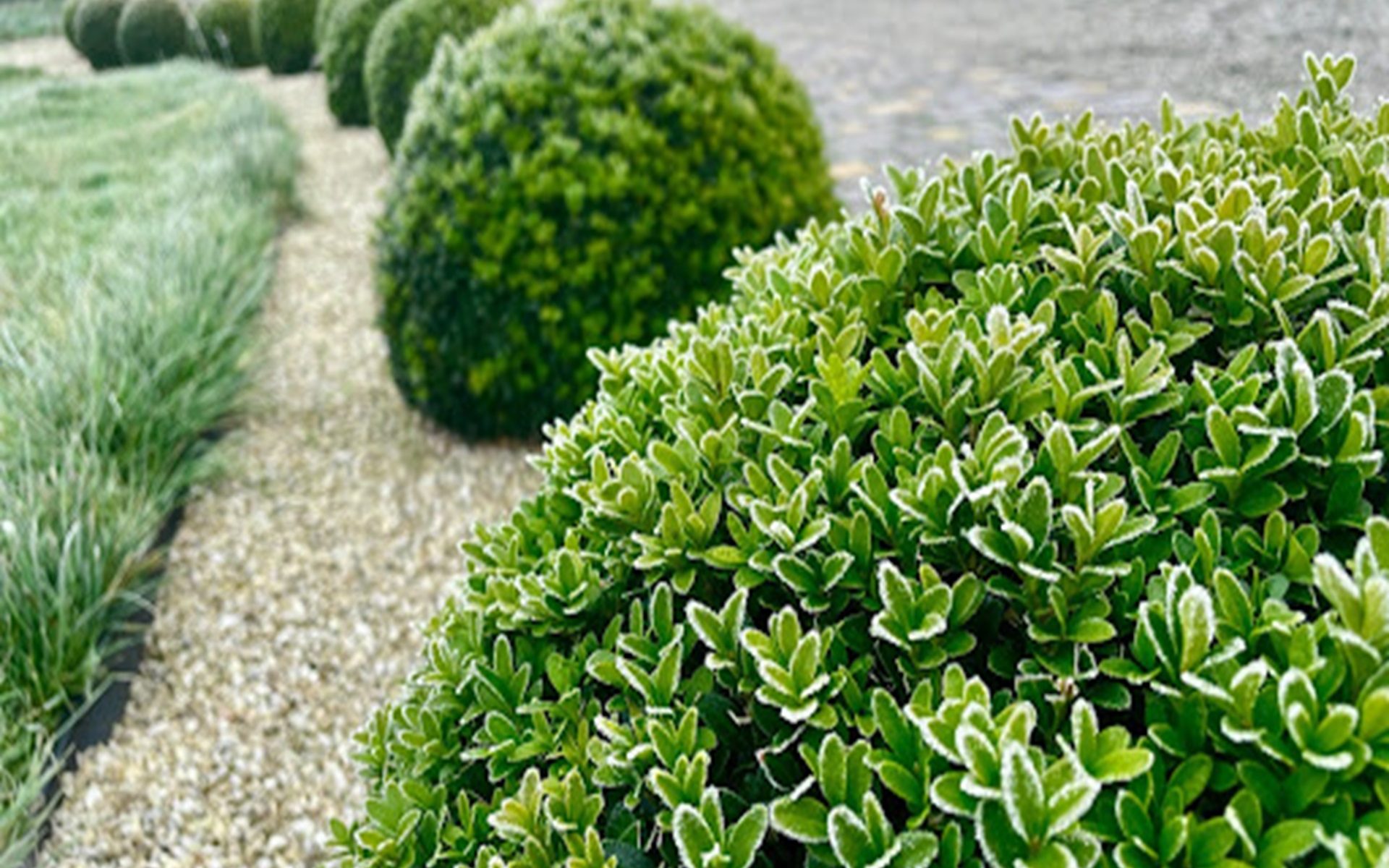
Edging is a small detail with an enormous visual impact. Look at many beautifully landscaped gardens, and you will notice clean boundaries between lawns, planting beds, paving and gravel. Poorly defined edges can make a garden appear unfinished, even when the individual elements are attractive. Defined borders, crisp lawn edges and thoughtfully detailed transitions between different surfaces create visual order. These are rarely the features people consciously notice first — but together they contribute significantly to that polished, high-end appearance.

4. Create Layers With Planting

Planting is one of the easiest ways to tell whether a garden has been properly planned. Rather than buying individual plants because they look attractive in the garden centre, professional planting schemes consider height, shape, texture, colour, flowering period and eventual size. Layering plants creates depth. Trees and taller shrubs can provide structure; medium-height plants fill the middle of borders, while lower plants soften edges and connect the planting to pathways and patios. Repeating selected varieties throughout the garden also creates rhythm and consistency. SB Landscaping’s services include planting schemes, plant health and soil management, tree installation and advice, helping ensure landscaping continues to develop rather than simply looking good immediately after installation.

5. Think Beyond Summer

A garden that looks spectacular for four weeks and empty for the rest of the year will rarely feel truly luxurious. Good garden landscaping considers all four seasons. Evergreen shrubs, structural grasses, trees with attractive bark, winter-flowering plants and carefully positioned architectural planting can maintain shape and interest when summer flowers disappear. Hard landscaping also becomes more important during winter. Patios, paths, walls, steps and garden structures create the framework that keeps the space visually interesting even when planting is dormant. Planning for year-round interest makes a landscaped garden feel established and complete.

6. Get Your Levels Right

Changes in level can make a garden dramatically more interesting — but only when they are handled properly. Steps, raised beds, retaining walls and terraces can transform sloping or awkward gardens into sophisticated outdoor spaces. However, poor levels can create drainage problems, uncomfortable steps, uneven paving and awkward transitions between different parts of the garden. This is where landscaping becomes as much about engineering as it is about aesthetics. SB Landscaping describes its approach to luxury landscape construction as combining horticultural understanding with engineering precision, which is particularly important when projects involve structural hard landscaping, irrigation, drainage, and significant changes in level.

7. Hide the Practical Elements

Every functional garden needs practical features: bins, hoses, drainage, storage, irrigation equipment and possibly air-conditioning units or utility areas. The trick is making them unobtrusive. Screening can conceal bins. Planting can soften sheds and boundaries. Irrigation removes the need for hoses running permanently across the garden. Professional landscape planning considers these practical requirements early rather than attempting to hide them afterwards. SB Landscaping offers irrigation system installation and management alongside hard landscaping, planting and ongoing landscape maintenance.

8. Make the Garden Relate to the House

Premium landscaping should feel like an extension of the property rather than a completely separate environment. Materials, proportions and planting styles can all reference the architecture of the house. A contemporary property might suit clean lines and structured planting, while a period home may benefit from softer landscaping and more traditional materials. Even simple decisions, such as aligning a pathway with a doorway or positioning planting to frame a view from inside the house, can create a stronger connection between indoor and outdoor spaces. This is particularly important when landscaping new-build properties, where the garden provides an opportunity to soften the architecture and help a new home feel established.

9. Don’t Forget Maintenance

One of the biggest secrets behind expensive-looking gardens is simple: they are maintained. Beautiful landscaping gradually loses its impact if lawns become tired, hedges lose their shape, planting becomes overcrowded, or paving becomes dirty. Maintenance should therefore be considered at the design stage. Choose plants that suit the amount of time you realistically want to spend gardening, and ensure features such as lawns, irrigation systems and planting beds can be easily maintained. SB Landscaping provides both one-off and regular landscape maintenance, including lawn care, planting management, tree care, seasonal maintenance and patio upkeep.

The Real Secret to a Premium Garden

Ultimately, an expensive-looking garden is rarely about filling the space with expensive things. It is about quality over quantity. A beautifully constructed patio, a carefully chosen planting scheme, and a well-maintained lawn will usually create a more luxurious impression than a garden crowded with fashionable features. Invest in strong foundations, professional artistry and materials that suit the property. Think about how the garden will mature, how it will be maintained and how each area connects to the next. That is what gives a landscaped garden the sense of effortless quality that makes it feel genuinely premium.

Create a Garden Designed to Last

Professional landscaping can help turn individual ideas into a cohesive outdoor space that is practical, attractive and built for the long term. SB Landscaping provides luxury landscape construction, residential landscaping, and landscape maintenance across London and the Home Counties, combining horticultural expertise, construction knowledge, and attention to detail on projects of varying scales and complexities. Whether you are planning a complete garden transformation, landscaping a new-build property or improving an existing outdoor space, speak to SB Landscaping about creating a landscape that feels considered, beautifully finished and designed to improve with time.
Patio, Pathway or Planting? How to Prioritise Your Landscaping Budget

Patio, Pathway or Planting How to Prioritise Your Landscaping Budget

Planning a new garden is exciting, but it can also raise a difficult question: where should you spend your landscaping budget first?

A new patio may give you somewhere to entertain, attractive pathways can improve access, and thoughtful planting can completely change the atmosphere of the space. Ideally, a successful garden brings all three together. When the budget does not allow everything to be completed at once, however, careful prioritisation becomes essential. The best place to begin is not with individual products or finishes. Start by considering how you want the garden to function, which existing problems need solving and which improvements will deliver the greatest long-term value.

Begin With the Garden’s Essential Structure

Before choosing paving colours or visiting a garden centre, assess the practical condition of the site. Drainage problems, unstable ground, awkward level changes and unsafe access should usually be addressed before decorative work. There is little value in laying an expensive patio if poor preparation causes it to move, crack or collect standing water later.

A professional landscaping plan may consider:

• Ground levels and drainage

• Access between the house and garden

• Retaining walls or steps

• Areas for seating and entertaining

• Privacy and screening

• Sunlight and shade

• Existing trees and plants

• Future maintenance requirements

SB Landscaping combines horticultural knowledge with construction expertise to create outdoor spaces that are both structurally sound and visually appealing. Its landscape construction services include patios, pathways, walls, planting areas and other bespoke hard-landscaping features.

When Should a Patio Take Priority?

A patio is often the best first investment when your main aim is to make the garden more usable. It can create a stable area for outdoor dining, seating, barbecues or entertaining. A well-positioned patio may also improve the connection between the house and garden, encouraging people to use the outdoor space more frequently.

Prioritise the patio when:

• There is currently no practical seating area.

• The existing paving is cracked or unsafe.

• Mud is regularly carried into the house.

• Outdoor entertaining is important.

• You want a low-maintenance area.

• The patio will define the rest of the garden layout.

Do not spend the entire budget on premium paving while overlooking the sub-base, drainage and installation. Good craft beneath the visible surface is what helps a patio remain level, stable and attractive. It may be better to choose a simpler, durable material installed professionally than a luxury product laid without adequate preparation.

When Are Pathways More Important?

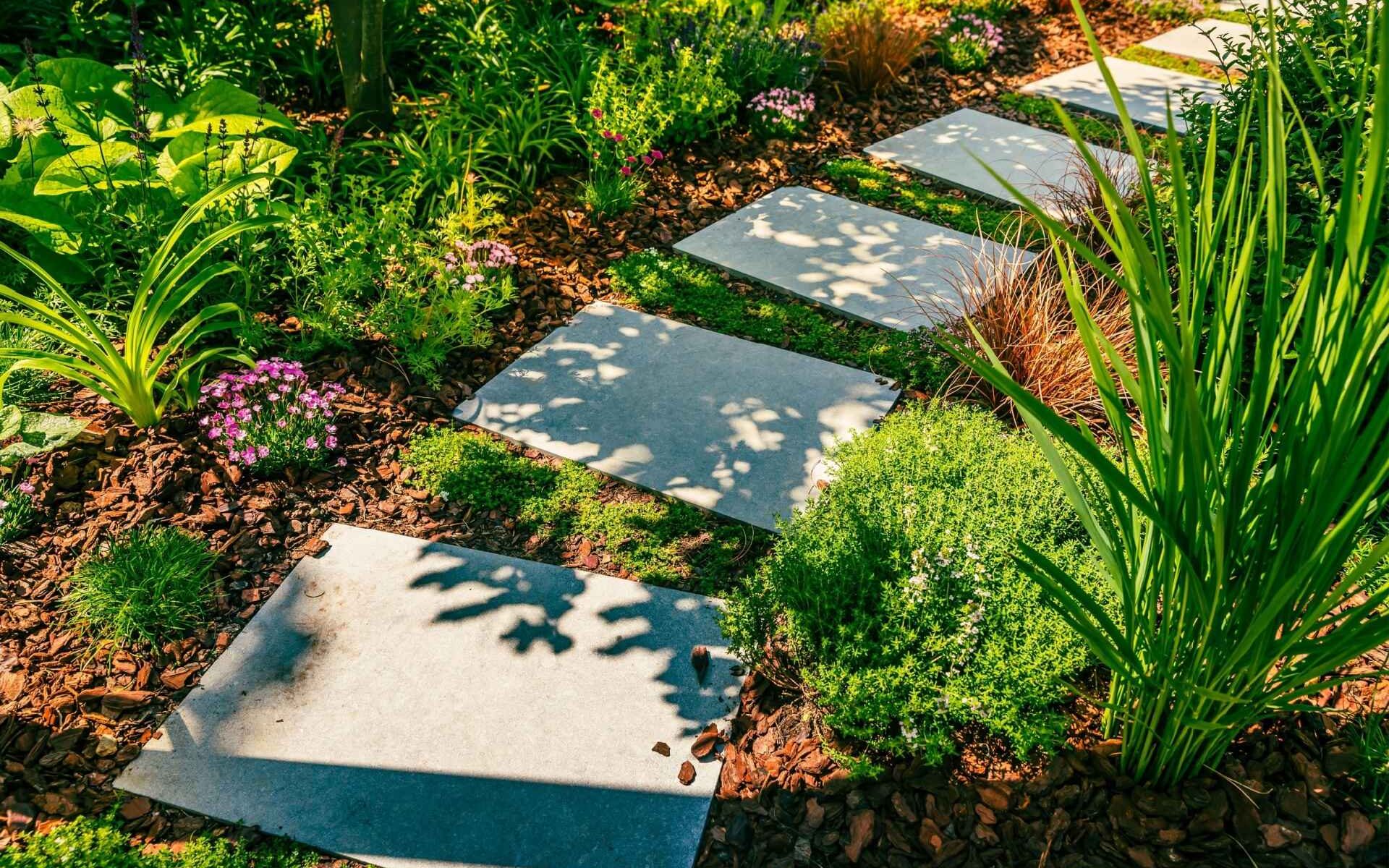
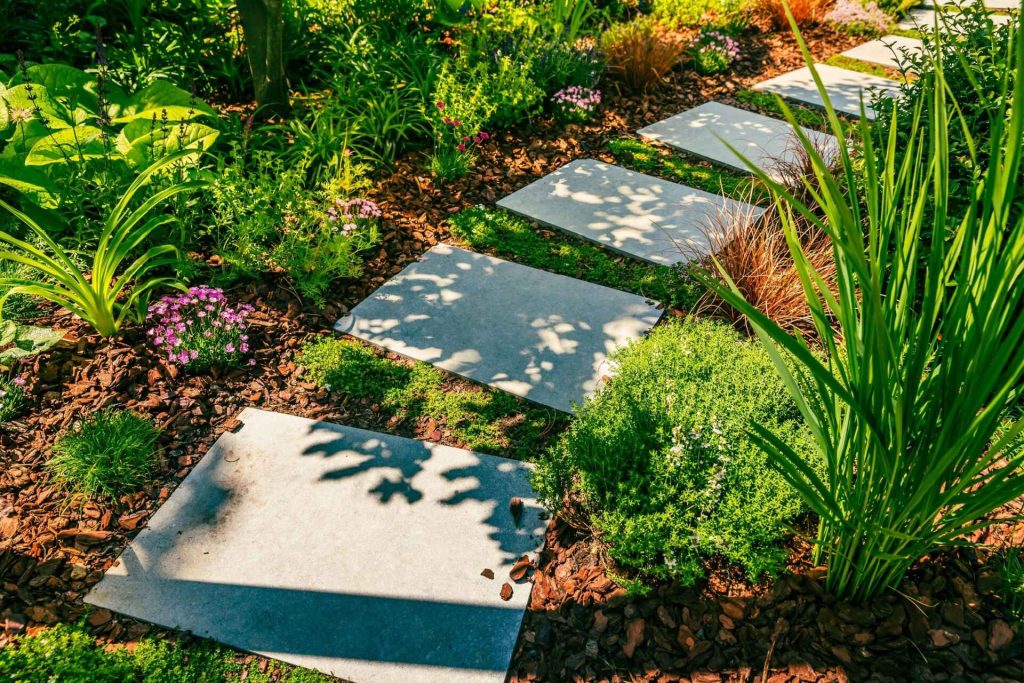
Paths are sometimes treated as decorative extras, but they can be central to how successfully a garden works. A well-designed pathway creates a clear route between entrances, seating areas, sheds, bins, gates and planting beds. It can prevent lawn damage, improve accessibility and make the space safer during wet weather.

Pathways should move higher up the budget when:

• You need reliable access throughout the year.

• The garden has steep or uneven areas.

• Existing routes become muddy or slippery.

• Children, older relatives or visitors use the garden.

• Different zones feel disconnected.

Regular maintenance requires access to beds and borders. Materials may include natural stone, brick, gravel, concrete or contemporary paving. The right choice depends on the property, expected foot traffic, maintenance preferences and available budget. Where funds are limited, install the essential routes first. Less important paths can be added during a later phase.

When Should Planting Receive the Largest Share?

Hard landscaping gives a garden structure, but planting gives it life. Trees, shrubs, grasses and seasonal plants can soften walls and fencing, create privacy, support wildlife and introduce colour throughout the year. Planting can also be phased more easily than major construction, making it useful when the budget needs to be spread over time.

Give planting greater priority when:

• The garden feels bare or exposed.

• Privacy is a major concern.

• Existing soil and plants are in poor condition.

• You want a greener, more natural setting.

• Supporting biodiversity matters to you

• The patio and paths are already serviceable.

A successful planting scheme should account for soil type, drainage, mature plant size and the amount of sunlight each area receives. Choosing plants only for their appearance at the time of purchase can lead to overcrowding, poor growth or excessive maintenance. SB Landscaping provides planting schemes, soil management, tree installation, irrigation and seasonal maintenance, helping gardens remain healthy rather than simply looking finished on installation day.

Divide the Budget According to Your Priorities

There is no perfect percentage that suits every project, but these examples provide a useful starting point. For an entertaining-focused garden, you might allocate:

• 50% to the patio and preparation

• 20% to pathways and access

• 20% to planting

• 10% to lighting, finishing details or contingency

For a family garden, the budget may place greater emphasis on durable access, lawn areas and practical planting. A mature garden requiring improvement may need relatively little structural work, allowing more money to be spent on soil preparation, new borders and long-term maintenance. Always retain part of the budget for unforeseen issues. Drainage defects, buried concrete or poor ground conditions may only become fully visible once work begins.

Consider Completing the Garden in Phases

A phased landscaping plan can provide better results than trying to complete everything cheaply at once. The first phase should normally address drainage, levels, access and essential hard landscaping. The second might introduce the main trees, hedges and planting beds. Decorative planting, furniture, lighting and accessories can then follow. A professional landscape contractor can design the complete garden at the beginning, even when construction is divided into stages. This prevents early work from limiting future improvements.

Think About Ongoing Maintenance

Your initial budget should not be the only financial consideration. Large lawns, formal hedges and densely planted borders require regular care. Natural stone may need cleaning, while gravel paths can require edging and weed management. Choose features that suit the amount of time and money you are prepared to dedicate to maintenance. Professional services can include lawn care, pruning, hedge trimming, weed control, seasonal planting, soil conditioning and upkeep of patios and pathways.

Choose a Professional Landscaping Service

A landscaping budget goes further when each element is properly designed and installed. Professional input can help you avoid unsuitable materials, drainage failures, inefficient layouts and plants that struggle in their chosen position. SB Landscaping creates and maintains residential, commercial and new-build landscapes across London and the Home Counties. Its services include bespoke landscape construction, patios, pathways, planting schemes, garden structures, irrigation and tailored maintenance programmes. Whether your priority is a welcoming patio, practical garden access or vibrant planting, contact SB Landscaping to discuss your ideas and request a tailored quotation. With a clear plan, your budget can create an outdoor space that is attractive, functional and built to be enjoyed for years.

Beyond the Perfect Lawn: Designing a Garden Around How You Really Live

Beyond the Perfect Lawn: Designing a Garden Around How You Really Live

When planning a new garden, it’s easy to focus solely on appearance. Beautiful patios, lush lawns, and perfectly placed plants certainly have their place, but the most successful gardens are designed around something even more important: the way you actually live.

Whether your outdoor space is used for entertaining, relaxing, gardening, family activities, or a combination of all three, creating a garden that reflects your lifestyle can help you get far more enjoyment from it year-round.

Start with How You Use the Space

Before choosing paving materials or planting schemes, consider how you spend your time outdoors. Do you enjoy hosting summer barbecues? Do you need a safe area for children to play? Are you looking for a peaceful retreat after a busy day?

By identifying your priorities early, you can create dedicated zones that serve a practical purpose. For example, a family-focused garden may benefit from a durable lawn and spacious patio, while keen gardeners may prefer raised beds, borders, and planting areas.g.

Think Beyond Summer

Many homeowners only think about their garden during the warmer months, but a well-designed outdoor space should be enjoyable all year round. Features such as quality paving, covered seating areas, outdoor lighting, and evergreen planting can help extend your garden’s use beyond the summer season.

Low-maintenance landscaping options are also becoming increasingly popular, allowing homeowners to enjoy attractive outdoor spaces without spending every weekend on upkeep.

Balance Beauty and Practicality

A stunning garden should also be functional. Materials, layouts, and planting choices need to work with your lifestyle. For example, if you have pets, children, or frequently entertain guests, durability and accessibility should be key considerations.

Features such as patios, pathways, retaining walls, decking, fencing, and artificial grass can help create a practical space while enhancing the garden’s overall appearance.

The Value of Professional Garden Design

While inspiration can be found everywhere, turning ideas into a cohesive, long-lasting landscape requires expertise. Professional landscapers can help homeowners maximise available space, improve flow, and create a design that combines aesthetics with everyday function.

Experienced landscaping companies often provide services including garden design, patios, paving, driveways, decking, fencing, turfing, artificial grass installation, planting, and complete landscaping projects tailored to individual requirements.

Create a Garden That Works for You

The best gardens are not simply designed to look good—they are designed to be lived in. By focusing on how you use your outdoor space, you can create a garden that complements your lifestyle and adds value to your property for years to come.

Working with experienced professionals, such as SB Landscaping, can help bring your vision to life through expert design, quality craftsmanship, and tailored landscaping solutions.

Ready to transform your outdoor space? Contact a professional landscaping specialist today to discuss your goals and discover how a bespoke garden design can create an outdoor environment that works perfectly for the way you really live.

Add Your Heading Text Here

Greener Gardens, Smarter Spaces: A Guide to Eco-Friendly Landscaping

Greener Gardens, Smarter Spaces: A Guide to Eco-Friendly Landscaping

Eco-friendly landscaping is a smart, stylish way to reduce environmental impact. It’s not just about planting a few shrubs—it’s about designing outdoor spaces that work with nature, conserve resources, and remain beautiful all year round.


Sustainable landscaping focuses on reducing waste, saving water, and choosing materials and plants that support the local environment. The result? A garden that’s easier to maintain, more cost-effective over time, and better for the planet.


One of the key principles is plant selection. Native and drought-resistant plants thrive in local conditions, requiring less water, fertiliser, and maintenance. They also attract pollinators, such as bees and butterflies, helping support biodiversity in your area.


Another important factor is water management. Features like permeable paving, gravel pathways, and smart drainage systems allow rainwater to soak naturally into the ground rather than running off into drains. Many sustainable gardens also incorporate rainwater-harvesting systems or efficient irrigation to minimise water waste.


Materials matter too. Eco-conscious landscaping often uses locally sourced, recycled, or reclaimed materials for patios, decking, and garden structures. This reduces the environmental footprint while adding unique character to your outdoor space. Options like composite decking or responsibly sourced timber are both durable and environmentally friendly.


Beyond aesthetics, functionality plays a big role. Modern landscaping services often include everything from turfing and planting to fencing, decking, driveways, and full garden redesigns—ensuring your space is both practical and attractive. Outdoor lighting, seating areas, and low-maintenance layouts can further enhance usability without increasing environmental impact.


While DIY can be tempting, creating a truly sustainable outdoor space requires thoughtful planning and expertise. Professional landscapers can assess your soil, drainage, sunlight, and usage needs to design a garden that’s both eco-friendly and built to last. They also ensure proper installation, which is crucial for long-term performance.


Working with experienced providers like SB Landscaping or similar professionals gives you access to a full range of services—from garden design and paving to planting schemes and complete outdoor transformations—all tailored with sustainability in mind.


Ready to create a greener outdoor space? Invest in eco-friendly landscaping and enjoy a garden that looks great, works smarter, and supports the environment for years to come.


Call us now to schedule a consultation and start transforming your garden today.

Add Your Heading Text Here

Avoid Costly Garden Errors: The Most Common Landscaping Mistakes (And How to Fix Them)

Avoid Costly Garden Errors: The Most Common Landscaping Mistakes (And How to Fix Them)

A well-designed outdoor space transforms a property, but landscaping mistakes are costly and frustrating. Knowing common pitfalls helps you avoid problems and achieve lasting results.

Here are some of the most common landscaping mistakes property owners make—and how to avoid them.

1. Poor Planning from the Start

Jumping into landscaping without a clear plan is a major mistake. Without considering layout, drainage, sunlight, and growth, even attractive designs become impractical.

Professional landscapers ensure your outdoor space is functional and visually appealing from the start through tailored planning and design. 

2. Choosing the Wrong Plants

Attractive plants may fail if unsuited to your soil, climate, or maintenance level. Overcrowding also leads to messy, overgrown spaces.

Experts select plants with horticultural knowledge, ensuring long-term health and balance. 

3. Ignoring Maintenance Needs

Beautiful gardens need ongoing care. Many underestimate this, causing neglected lawns and declining plant health.

Scheduled maintenance, lawn care, and seasonal upkeep keep outdoor spaces thriving year-round. 

4. Poor Drainage and Irrigation

Water management is critical but often overlooked. Poor drainage causes flooding, root damage, and structural issues. Lack of irrigation leaves plants struggling.

Professional services include irrigation system installation and soil management for optimal moisture balance. 

5. Overlooking Structure and Function

Landscaping also involves structure. Poorly designed patios, pathways, or features reduce usability and hurt your space’s appearance.

Experienced teams blend construction expertise and design, creating practical, cohesive outdoor spaces. 

6. DIY Without Expertise

DIY landscaping can seem affordable, but mistakes add up. Incorrect installations, poor materials, or a lack of expertise often lead to higher long-term costs.

Professional landscapers bring experience across:

The Bottom Line

Landscaping is an investment. Getting it right saves time, money, and stress. With good planning and care, your outdoor space becomes a lasting asset.

Avoid costly mistakes by hiring experts. From design to maintenance, a trusted team can make your space beautiful, functional, and built to last. Get advice and start your project right.

Call our team at SB Landscaping now to schedule a consultation and discover how our expert landscaping services can transform your property. 

Add Your Heading Text Here

From Vision to Vibrant Gardens: Why Full-Service Landscaping Is the Smart Choice

From Vision to Vibrant Gardens Why Full-Service Landscaping Is the Smart Choice

Creating a beautiful outdoor space is about more than just planting flowers or laying a patio—it’s about designing, building, and maintaining a landscape that thrives year-round. That’s where full-service landscaping comes in. By combining design, construction, and ongoing care, homeowners and businesses can enjoy a seamless, stress-free transformation with long-lasting results.

1. A Complete Vision from Day One

One of the biggest advantages of full-service landscaping is the coordinated expertise that produces a clear, cohesive plan. Rather than piecemeal solutions, these professionals consider every element together—layout, soil, drainage, planting, and usability—creating a unified vision from the beginning.

Expert landscapers combine creativity with technical skill, designing outdoor spaces that are both visually stunning and practical—so your garden feels unified rather than piecemeal.

2. Seamless Design & Construction

Once the design is in place, experienced teams handle the entire build process. This includes everything from hard landscaping, such as patios and pathways, to planting schemes and structural features. Professional landscapers combine horticultural skill and engineering to ensure every detail is durable and functional. The result? A high-quality finish that not only looks great but also stands the test of time.

3. Ongoing Maintenance for Long-Term Success

Even the best-designed gardens need regular care. Full-service providers offer tailored maintenance, including lawn care, pruning, hedge trimming, planting, and seasonal clean-ups. This proactive care prevents issues, keeps your outdoor space vibrant, and reduces costly repairs. Regular maintenance also boosts property value and curb appeal.

4. Expertise You Can Trust

Landscaping goes beyond aesthetics. It requires expertise in plants, soil, irrigation, and the environment. Professional teams use leading techniques for sustainable growth and durability. From planting and pest management to irrigation and eco-friendly solutions, full-service landscaping covers all aspects of outdoor care.

5. Save Time, Reduce Stress, Get Better Results

Managing multiple contractors for design, build, and maintenance can lead to gaps in communication and quality. A full-service provider eliminates those issues by being your single point of contact, ensuring accountability and consistent excellence every step of the way. For gardens or commercial projects, professionals handle everything—so you can enjoy the finished space.

Why Choose Professional Landscaping Services?

Full-service landscaping typically includes design, construction, planting, lawn care, irrigation, and maintenance—all tailored to your needs. 

Working with experienced providers—such as trusted companies like SB Landscaping—ensures your outdoor space is expertly designed, built, and maintained to the highest standards.


Ready to transform your outdoor space? Contact us today to discover how full-service landscaping can add value, beauty, and long-lasting enjoyment to your property.

Spring-Ready Spaces: The Essential Landscaping Checklist for Commercial Properties

Spring-Ready Spaces: The Essential Landscaping Checklist for Commercial Properties

As winter fades and spring approaches, commercial outdoor spaces need attention to look their best and function properly. After months of harsh weather, landscaping can suffer from damage, debris build-up, and plant stress. A seasonal refresh not only improves visual appeal but also protects your investment and creates a welcoming environment for visitors, staff, and clients.

Here’s a practical spring landscaping checklist to help commercial properties get ahead this season.

1. Clear Debris and Inspect Hard Surfaces

Winter often leaves behind fallen branches, leaves, and dirt that can block drainage systems and create safety hazards. Clearing pathways, car parks, and outdoor areas helps prevent slips and keeps spaces tidy.

It’s also important to inspect hard landscaping features, such as patios, paving, and walkways, for cracks or frost-related wear. Addressing these issues early prevents further damage and maintains safety standards.

2. Revitalise Lawns and Planting Areas

Spring is the ideal time to restore lawns and planting beds. Checking soil health, applying treatments, and removing weeds helps plants recover and thrive. Seasonal planting can also introduce fresh colour and enhance the overall appearance of your property.

Professional teams often provide tailored planting schemes, soil management, and lawn care programmes to ensure landscapes remain healthy and vibrant year-round. 

3. Check Irrigation and Drainage Systems

Proper irrigation is essential as temperatures rise. Inspecting sprinkler systems, water lines, and drainage channels ensures they operate efficiently and prevents waterlogging or dry patches.

Specialist landscaping providers frequently install and manage irrigation systems, helping commercial landscapes stay well-maintained with minimal disruption. 

4. Maintain Trees, Shrubs, and Green Features

Spring pruning helps trees and shrubs grow stronger and maintain safe, attractive shapes. Checking for pests, disease, or structural issues ensures long-term plant health and reduces potential risks to property and visitors.

Professional services often include tree care, pest management, and seasonal maintenance programmes designed to protect landscapes over time. 

Why Professional Landscaping Support Matters

Spring maintenance involves many specialised tasks that require expertise, equipment, and ongoing care. Experienced landscaping teams offer comprehensive services, including design, construction, maintenance programmes, irrigation management, and safety improvements, tailored to commercial environments. 

Prepare Now for a Successful Season

A well-planned spring landscaping routine sets the foundation for a thriving outdoor space throughout the year. By combining seasonal checks with professional support, commercial property owners can maintain attractive, safe, and sustainable environments that leave a lasting positive impression.

If you are looking for expert landscaping, look no further than SB Landscaping. Our specialist team is here to help — contact us today!