
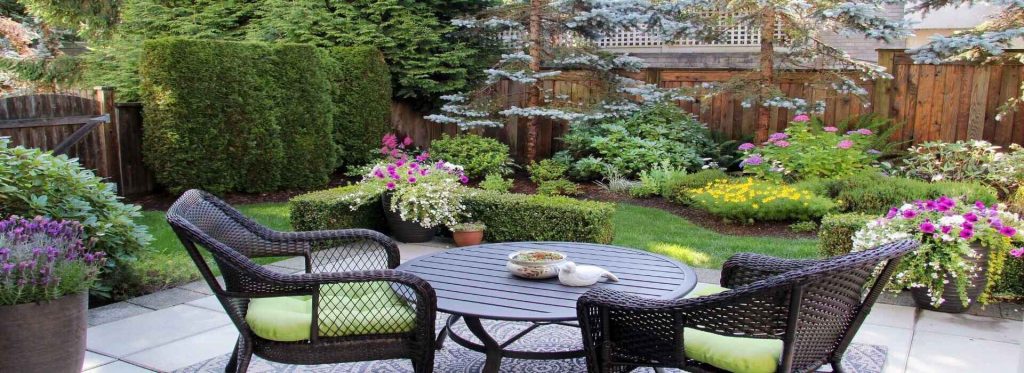
Planning a new garden is exciting, but it can also raise a difficult question: where should you spend your landscaping budget first?
A new patio may give you somewhere to entertain, attractive pathways can improve access, and thoughtful planting can completely change the atmosphere of the space. Ideally, a successful garden brings all three together. When the budget does not allow everything to be completed at once, however, careful prioritisation becomes essential. The best place to begin is not with individual products or finishes. Start by considering how you want the garden to function, which existing problems need solving and which improvements will deliver the greatest long-term value.
Begin With the Garden’s Essential Structure
Before choosing paving colours or visiting a garden centre, assess the practical condition of the site. Drainage problems, unstable ground, awkward level changes and unsafe access should usually be addressed before decorative work. There is little value in laying an expensive patio if poor preparation causes it to move, crack or collect standing water later.
A professional landscaping plan may consider:
• Ground levels and drainage
• Access between the house and garden
• Retaining walls or steps
• Areas for seating and entertaining
• Privacy and screening
• Sunlight and shade
• Existing trees and plants
• Future maintenance requirements
SB Landscaping combines horticultural knowledge with construction expertise to create outdoor spaces that are both structurally sound and visually appealing. Its landscape construction services include patios, pathways, walls, planting areas and other bespoke hard-landscaping features.
When Should a Patio Take Priority?
A patio is often the best first investment when your main aim is to make the garden more usable. It can create a stable area for outdoor dining, seating, barbecues or entertaining. A well-positioned patio may also improve the connection between the house and garden, encouraging people to use the outdoor space more frequently.
Prioritise the patio when:
• There is currently no practical seating area.
• The existing paving is cracked or unsafe.
• Mud is regularly carried into the house.
• Outdoor entertaining is important.
• You want a low-maintenance area.
• The patio will define the rest of the garden layout.
Do not spend the entire budget on premium paving while overlooking the sub-base, drainage and installation. Good craft beneath the visible surface is what helps a patio remain level, stable and attractive. It may be better to choose a simpler, durable material installed professionally than a luxury product laid without adequate preparation.
When Are Pathways More Important?
Paths are sometimes treated as decorative extras, but they can be central to how successfully a garden works. A well-designed pathway creates a clear route between entrances, seating areas, sheds, bins, gates and planting beds. It can prevent lawn damage, improve accessibility and make the space safer during wet weather.
Pathways should move higher up the budget when:
• You need reliable access throughout the year.
• The garden has steep or uneven areas.
• Existing routes become muddy or slippery.
• Children, older relatives or visitors use the garden.
• Different zones feel disconnected.
Regular maintenance requires access to beds and borders. Materials may include natural stone, brick, gravel, concrete or contemporary paving. The right choice depends on the property, expected foot traffic, maintenance preferences and available budget. Where funds are limited, install the essential routes first. Less important paths can be added during a later phase.
When Should Planting Receive the Largest Share?
Hard landscaping gives a garden structure, but planting gives it life. Trees, shrubs, grasses and seasonal plants can soften walls and fencing, create privacy, support wildlife and introduce colour throughout the year. Planting can also be phased more easily than major construction, making it useful when the budget needs to be spread over time.
Give planting greater priority when:
• The garden feels bare or exposed.
• Privacy is a major concern.
• Existing soil and plants are in poor condition.
• You want a greener, more natural setting.
• Supporting biodiversity matters to you
• The patio and paths are already serviceable.
A successful planting scheme should account for soil type, drainage, mature plant size and the amount of sunlight each area receives. Choosing plants only for their appearance at the time of purchase can lead to overcrowding, poor growth or excessive maintenance. SB Landscaping provides planting schemes, soil management, tree installation, irrigation and seasonal maintenance, helping gardens remain healthy rather than simply looking finished on installation day.
Divide the Budget According to Your Priorities
There is no perfect percentage that suits every project, but these examples provide a useful starting point. For an entertaining-focused garden, you might allocate:
• 50% to the patio and preparation
• 20% to pathways and access
• 20% to planting
• 10% to lighting, finishing details or contingency
For a family garden, the budget may place greater emphasis on durable access, lawn areas and practical planting. A mature garden requiring improvement may need relatively little structural work, allowing more money to be spent on soil preparation, new borders and long-term maintenance. Always retain part of the budget for unforeseen issues. Drainage defects, buried concrete or poor ground conditions may only become fully visible once work begins.
Consider Completing the Garden in Phases
A phased landscaping plan can provide better results than trying to complete everything cheaply at once. The first phase should normally address drainage, levels, access and essential hard landscaping. The second might introduce the main trees, hedges and planting beds. Decorative planting, furniture, lighting and accessories can then follow. A professional landscape contractor can design the complete garden at the beginning, even when construction is divided into stages. This prevents early work from limiting future improvements.
Think About Ongoing Maintenance
Your initial budget should not be the only financial consideration. Large lawns, formal hedges and densely planted borders require regular care. Natural stone may need cleaning, while gravel paths can require edging and weed management. Choose features that suit the amount of time and money you are prepared to dedicate to maintenance. Professional services can include lawn care, pruning, hedge trimming, weed control, seasonal planting, soil conditioning and upkeep of patios and pathways.
Choose a Professional Landscaping Service
A landscaping budget goes further when each element is properly designed and installed. Professional input can help you avoid unsuitable materials, drainage failures, inefficient layouts and plants that struggle in their chosen position. SB Landscaping creates and maintains residential, commercial and new-build landscapes across London and the Home Counties. Its services include bespoke landscape construction, patios, pathways, planting schemes, garden structures, irrigation and tailored maintenance programmes. Whether your priority is a welcoming patio, practical garden access or vibrant planting, contact SB Landscaping to discuss your ideas and request a tailored quotation. With a clear plan, your budget can create an outdoor space that is attractive, functional and built to be enjoyed for years.